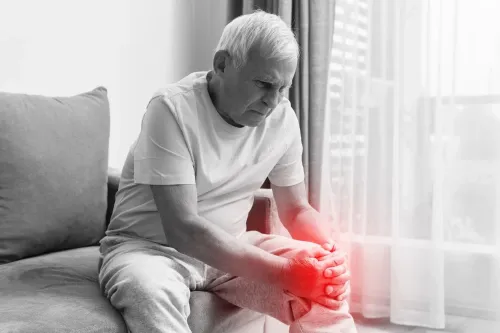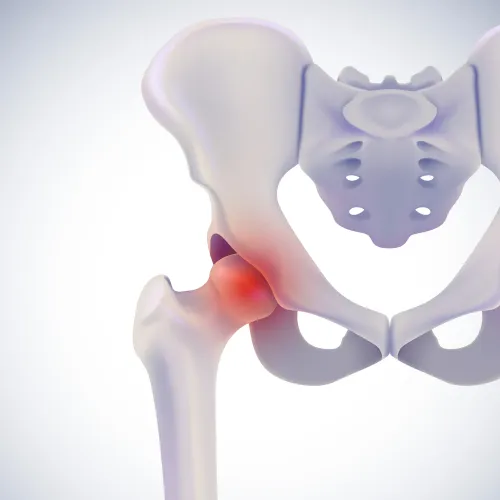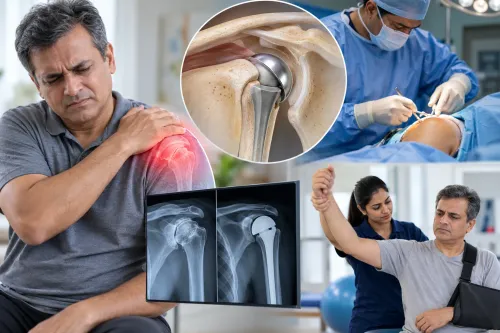
Shoulder pain can arise from tendon injuries, cartilage problems, instability, inflammation, or other structural conditions. When symptoms continue despite appropriate non-surgical care, Shoulder Arthroscopy may provide a minimally invasive way to examine and treat selected problems.
For patients in Kandivali, Mumbai, knowing what arthroscopy can accomplish and what recovery involves can make the decision-making process clearer.
What Happens During Shoulder Arthroscopy
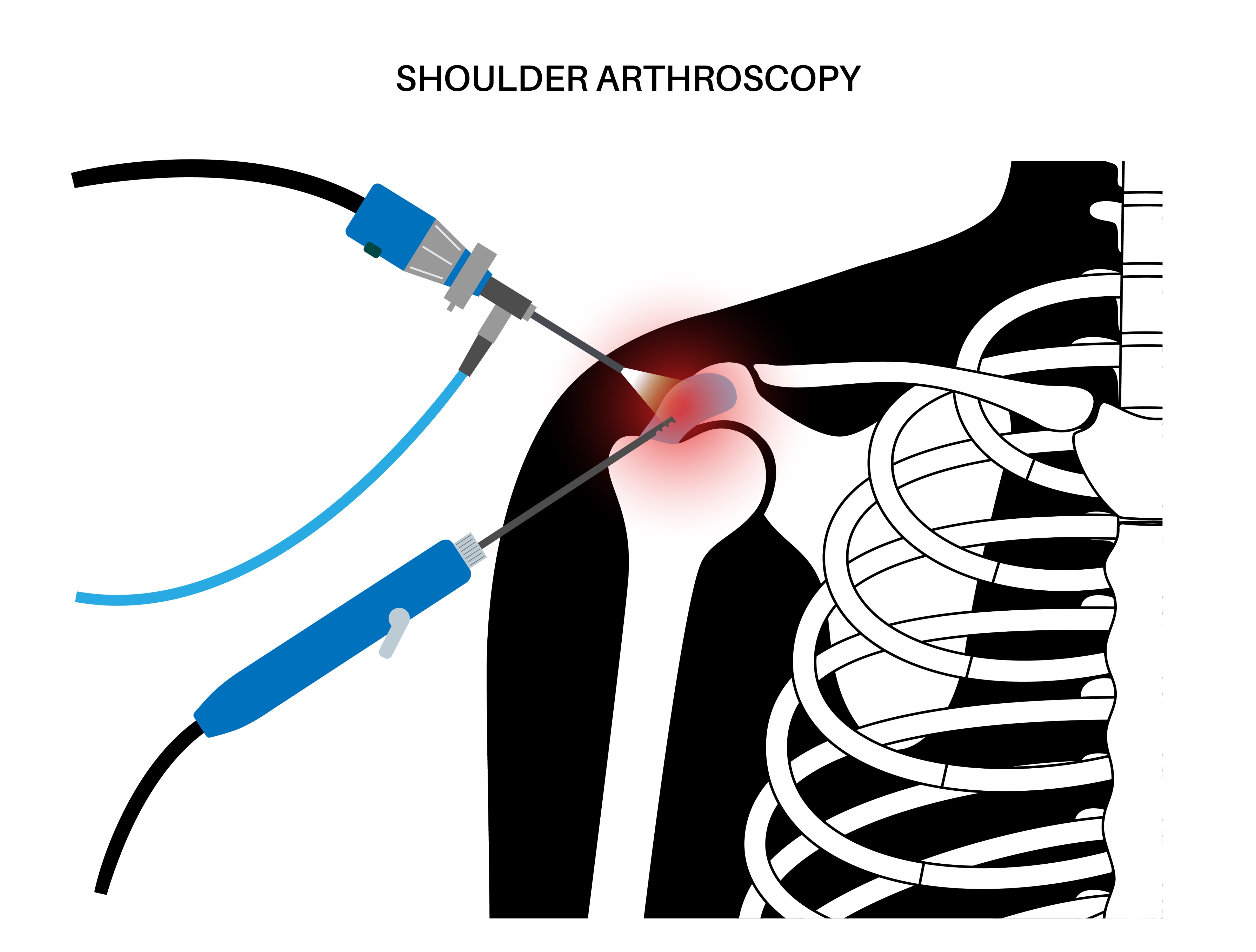
Shoulder arthroscopy uses a small camera inserted through a small incision to visualise structures within the shoulder.
Additional instruments can be introduced through other small openings to treat the identified problem.
Depending on the diagnosis, arthroscopy may be used for selected:
- Rotator cuff problems
- Labral injuries
- Shoulder instability
- Impingement-related conditions
- Cartilage problems
- Inflammatory tissue problems
The exact procedure is determined by the underlying diagnosis.
Symptoms That May Lead To Further Evaluation
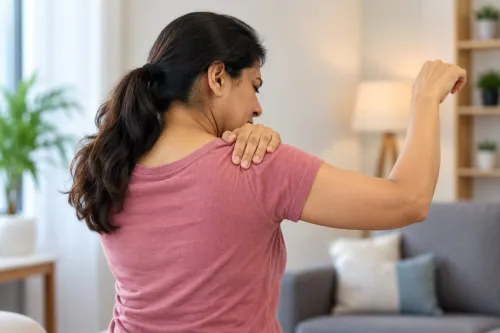
Persistent pain alone does not automatically mean arthroscopy is needed. An orthopaedic assessment may be appropriate when symptoms include:
- Ongoing pain despite conservative treatment
- Recurrent shoulder instability
- Weakness
- Restricted movement
- Clicking associated with pain
- Difficulty performing work or sports activities
Imaging and physical examination help determine whether there is a structural problem that can benefit from surgery.
Preparing For The Procedure
Patients should provide information about current medicines, allergies, previous surgeries, medical conditions, and previous shoulder injuries.
If surgery is planned, preparation may include:
- Preoperative investigations
- Medication instructions
- Fasting before anaesthesia
- Arranging transport
- Planning temporary help at home
Patients should understand the expected rehabilitation programme before undergoing surgery.
Recovery After Shoulder Arthroscopy
Recovery varies significantly depending on what is performed.
A simple arthroscopic procedure may allow relatively early movement, while rotator cuff repair or stabilisation surgery requires more prolonged protection.
Rehabilitation may involve:
- Sling use when prescribed
- Controlled shoulder movement
- Gradual muscle activation
- Progressive strengthening
- Functional exercises
- Return-to-sport preparation
Patients should follow the specific protocol provided by the surgical team.
Benefits And Risks
The minimally invasive nature of arthroscopy can mean smaller incisions compared with traditional open procedures. When appropriately indicated, it can address specific structural problems while allowing the surgeon to assess the joint directly.
Potential risks include infection, stiffness, bleeding, nerve injury, persistent pain, recurrence of instability, and complications associated with anaesthesia.
The expected benefit depends strongly on the underlying shoulder condition.
Frequently Asked Questions
Is shoulder arthroscopy painful?
Some postoperative pain is expected, but it is generally managed through prescribed medication and a structured recovery plan.
How soon can normal movement return?
This depends on the procedure. Movement may begin early in some cases but needs greater protection after tendon repair or stabilisation surgery.
Can patients return to gym workouts?
Return to resistance training should occur gradually after adequate healing and strength recovery.
Does every shoulder problem need surgery?
No. Many shoulder conditions improve with physiotherapy, activity modification, medication, or other non-surgical approaches.
For individuals considering Shoulder Arthroscopy in Kandivali, the key decision is whether there is a specific structural problem that can reasonably benefit from arthroscopic treatment.
Keywords